
How to Identify a Clogged Sewer Line & What to Do About It
- WA Sponsor Articles

- Jan 20
- 4 min read
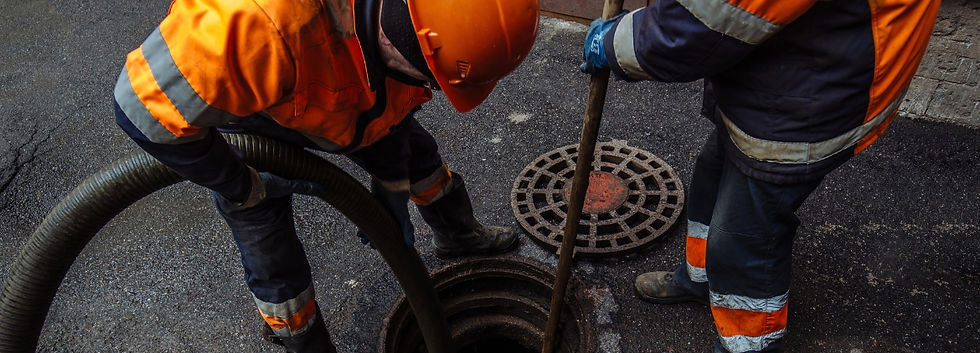
If you’re a property owner experiencing slow drains, foul odours, or gurgling sounds, you may be dealing with a clogged sewer line. Knowing how to identify it early can save you time, prevent further damage, and avoid paying for expensive repairs.
This article is your comprehensive guide about the common causes of a clogged sewer line, how to tell if your main sewer line is clogged, and outlines the most effective ways to fix a clogged sewer line before it causes bigger problems.
Causes of a Clogged Sewer Line
If you think that your sewer line is clogged, it can be due to a combination of several different factors. Here are the most common ones below:
Tree roots entering the pipes
Buildup of grease and debris
Accumulation of flushed foreign items
Damage and corrosion within the sewer line
Intense storms and rainfall
Shifting soil and ground
How Do I Know if My Main Sewer Line Is Clogged?
There are numerous early warning signs that you can look out for, so you can take action before any of them cause severe backups or expensive damage. Some of the most common ones are:
Unusual, Gurgling Noises
Are you hearing unusual, gurgling noises originating from your kitchen sink, toilets, or drains, especially when water is running? This is a common sign of sewer line clogs, and it usually happens when water hits a blockage, air gets trapped, and it makes a gurgling noise. This means that there’s a sewer line blockage that is preventing wastewater from moving through the pipes.
Foul Odours
Pungent odour is another telltale sign that your main sewer line is clogged, especially if you start noticing the unpleasant smell coming from your bathroom sink, shower, or outdoor drains. This usually happens when wastewater isn’t draining properly and starts sitting in the pipes, releasing strong sewer gases back into your home and causing potential health risks. Before things get worse, contact a licensed plumber today to address the issue.
Multiple Backed-Up Drains
Multiple drains backing up simultaneously isn’t normal. If you flush the toilet and water comes up in your shower drain, that can be a strong indicator that there’s a main sewer line issue. When the blockage is deep within the sewage pipe, wastewater can’t flow out properly, so it begins to rise back up to the lowest points of your plumbing system (floor drains, bathroom sink, toilets, etc.)
Wet Spots or Wastewater Pooling Outdoors
Seeing puddles around your garden without any rain can be another sign of a blocked sewer line. This indicates that the main sewer clog is affecting the entire plumbing system, causing water to overflow into the soil. If left unattended, it can cause foul odours, attract pests, and damage your lawn.
How to Fix a Clogged Sewer Line
For homeowners struggling with main sewer line clogs, it can be overwhelming trying to find the right repair or replacement option. That’s why our team of professional plumbers have compiled the ideal repair options below, which can be used individually or combined where needed.
1. CCTV Drain Camera Inspection
Though not directly a repair option, a CCTV Drain Camera Inspection is essential for investigating causes for blocked sewer drains. It helps our team of licensed plumbers streamline the inspection and repair process because it’s a non-invasive way to pinpoint plumbing issues.
2. Drain Jetting & Cleaning
Once the CCTV Drain Camera Inspection confirms the location and severity of the clog, drain cleaning or jetting is an ideal option for cutting through stubborn debris or built-up material. Our drain cleaning specialists use state-of-the-art drain cleaning equipment with incredibly high water pressure, blasting away years of buildup in your clogged drain while protecting the integrity of your pipes.
3. Pipe Relining
This is a quick, cost-effective, and non-invasive option for any pipe that needs sectional or complete repairs. It can be used in any property, regardless of whether it’s commercial or residential. At Tunnel Vision, our team of experts uses Nuflow Epoxy Relining Technology to repair a pipe or drain of any shape or size. This is where an epoxy liner is inflated to mould to the main pipe, consequently filling any holes or cracks.
Get Professional Help for Your Clogged Sewer Line Today with Tunnel Vision
Don’t wait for a minor clog to turn into a major problem. Tunnel Vision’s team of Perth drainage experts can quickly diagnose and thoroughly fix your main sewer line, restoring proper water flow and preventing further damage.
Reach out to our friendly team via 1800 631 799 today or book via our online enquiry form to have your clogged sewer line promptly inspected and repaired.
Frequently Asked Questions
Don’t wait for a minor clog to turn into a major problem. Tunnel Vision’s team of Perth drainage experts can quickly diagnose and thoroughly fix your main sewer line, restoring proper water flow and preventing further damage.
How do you fix a clogged sewer line?
Our team of experts will first complete a CCTV Drain Camera Inspection to identify the exact cause and location of the clog. Depending on each situation, plumbers will either use high-pressure drain jetting or recommend pipe relining. Sometimes, these methods will be combined for the best results.
Is pipe relining worth it?
Yes, pipe relining is worth it if your sewer pipe is cracked or damaged, as it’s often quicker, more cost-effective, and provides a long-lasting repair without needing to dig up your yard.
How do I know if my main sewer line is clogged?
Common causes of a clogged sewer line include tree root intrusion, grease and debris buildup, flushed foreign objects, pipe damage or corrosion, heavy rainfall, and ground movement.
Can you clear a main sewer line clog yourself?
Minor blockages can sometimes be addressed with DIY solutions, but main sewer line blockages usually require the use of specialised tools by a professional plumber.
This article is bought to you by SCA (WA) Sponsor Tunnel Vision.


